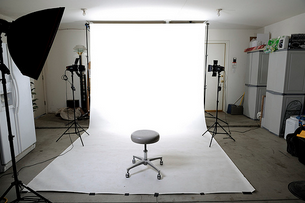
Showing posts with label home photography studio. Show all posts

Sunday, 11 April 2021

Lighting Options for Your Home Video Studio

Your home video studio can be as sophisticated as you want it to be without costing a fortune or heating up your place with lighting gear for video that uses incandescent or quartz bulbs. Our lighting options for video are numerous.  

There are several types of home video studio lighting available for us to choose from, with LED lighting gear for video being at the top of my list. Learn more about home photography on our website PhotographyTalk.com.
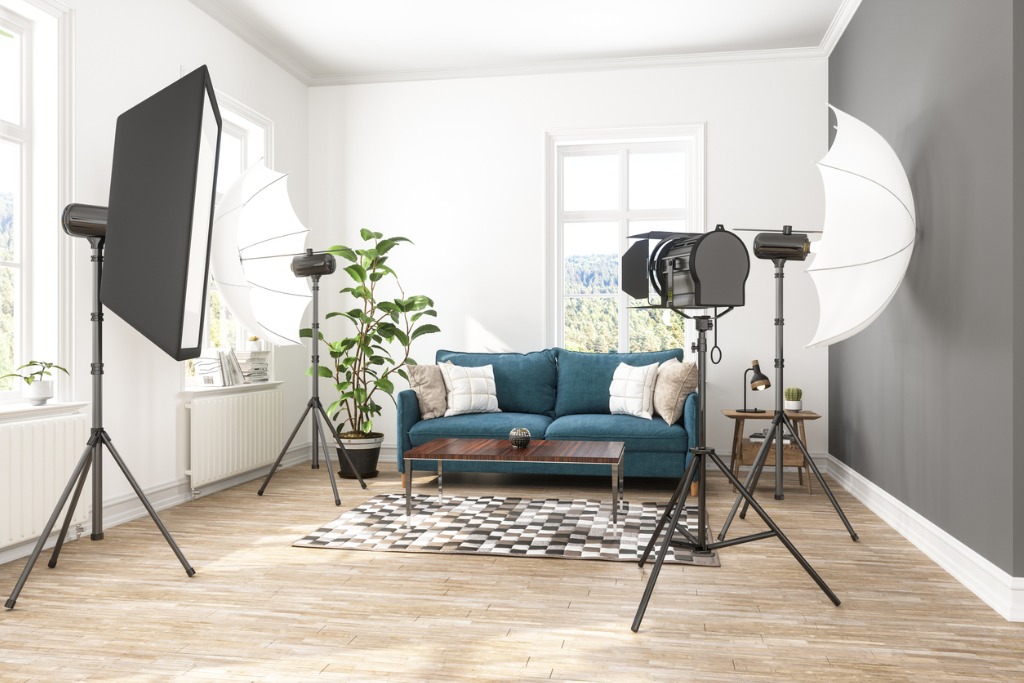
Lighting Options for Your Home Video Studio image

Why LED? Several reasons, power efficiency, much cooler operating temperature, and good control over brightness levels and color temperature. The cool operating temps and the precise control of power and color make LEDs great choices as home video studio lighting.

Ikan Professional Video Production Equipment & Accessories
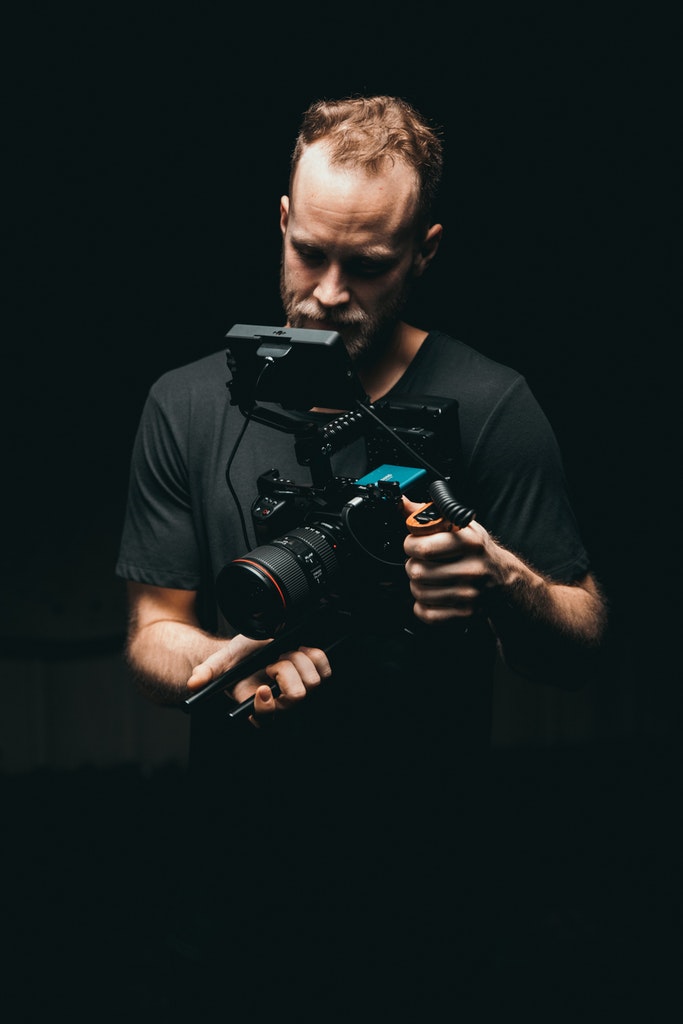
home video studio 1 image

Photo by Kyle Loftus from Pexels

In order to find the proper equipment for specific A/V and videography needs, I’ve found specialty retailers often have a wider variety of better equipment than you see in general electronics stores.  

Ikan Pro Video has the big things like lighting, filters, gimbals, and camera supports, plus those hard-to-find accessories that make video production workflow easier like cords, adapters, brackets, and other things. You can also check photography project ideas.

Here are three things I found on Ikan that could work for your own home video studio.

Lyra Half x 1 Bi-Color Studio & Field Light
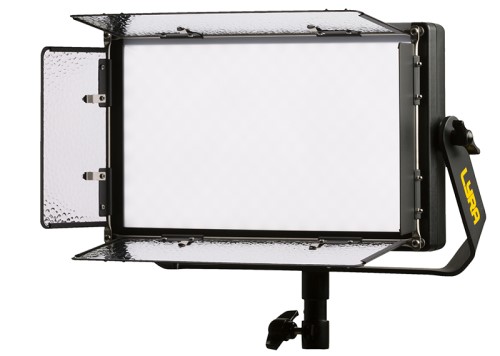
Lyra Half x 1 Bi Color Studio Field Light image

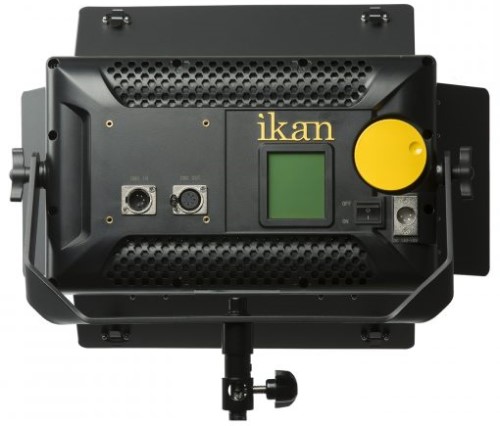
One of the soft panel lights from Ikan, the Lyra Half x 1 Bi-Color Studio & Field Light provides a soft wrap of light with adjustable brightness level and color adjustment available from 3200K to 5600K. 

The light beam is a wide 110-degree angle that can be the main light, a solo light, or part of a light bank for large video studios. LED bulbs are consistent in the color setting regardless of the bright level setting and are also very cool in operation which helps in home studio applications.
Lyra Half x 1 Bi Color Studio Field Light 2 image

One of the features of this light is that it can be controlled via DMX. DMX is digital control of effects and lighting that can be accessed from a centralized control and can even be pre-programmed which is a great option for smaller one or two-man operations.  

DMX is one of the better features of lighting gear for video in small studios. Controlling or pre-programming your light or light bank frees you up for other things like sophisticated camera operations that can add interest to your home studio video productions.

Helia 150 Watt 4-Inch Fresnel Bi-Color LED Studio Light
Helia 150 Watt 4 Inch Fresnel Bi Color LED Studio Light 1 image

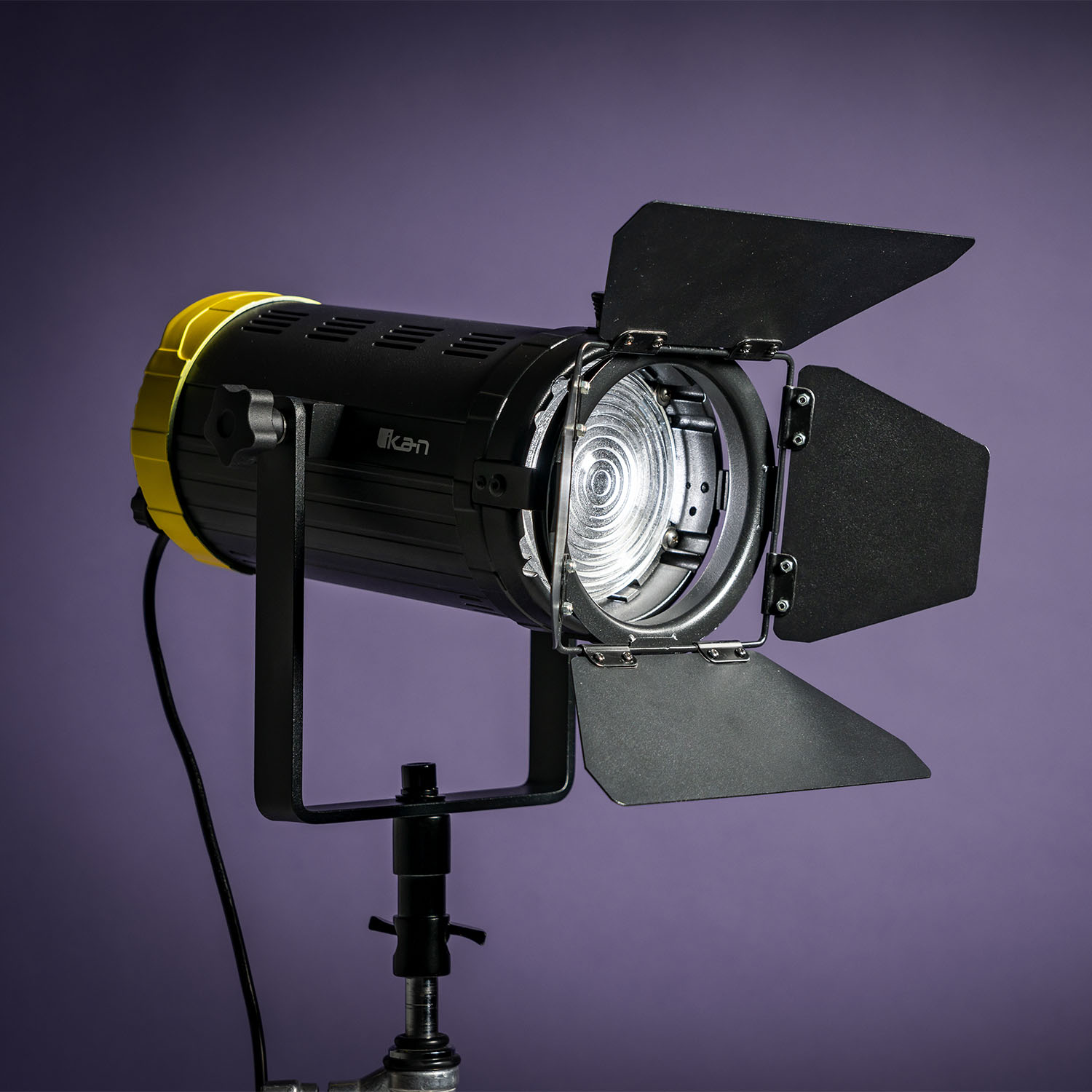
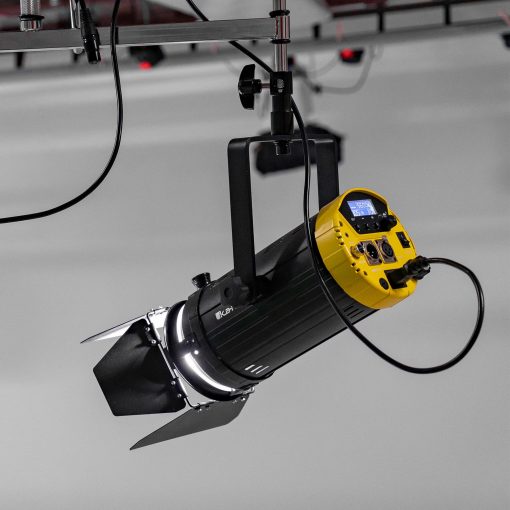
A fresnel light that is equally at home in a small studio or as part of a large production, the Helia 150 Watt 4-Inch Fresnel Bi-Color LED Studio Light is lightweight, very  bright, and can be focused from a 70-degree angle to a tight 20-degree beam.

As part of a home video studio lighting setup, this light can be operated on its own or as part of a DMX controlled system. The LED bulbs are switchable from 3200K to 5600K so you can balance them with other lights in your studio. You can also view another post about creative photography ideas at home.

A fresnel lens on studio lights adds so much versatility to your home video studio lighting gear that you will wonder how you managed without one. A light like this can be used as an individual light source for spotlighting portions of the scene or to add light intensity to other video lighting configurations.
Helia 150 Watt 4 Inch Fresnel Bi Color LED Studio Light 2 image

The secret to how a fresnel adds that light quality is the lens focuses the light emitted, just like a photographic lens focuses light coming in. The focused light from a fresnel has little loss on the edges of the beam, it’s a pretty hard edge, so you can plan certain effects around that light quality, too.

Fresnel lensed lights using bulbs other than LEDs produce so much heat that they are virtually unusable in small studio applications. The cooler running LED bulb lights make this a non-issue, so you can comfortably use this light in a spare room of your home or office that you set up as a home video studio.

Onyx 30W Bi-Color 2-Point LED Light Kit 
Onyx 30W Bi Color 2 Point LED Light Kit 1 image

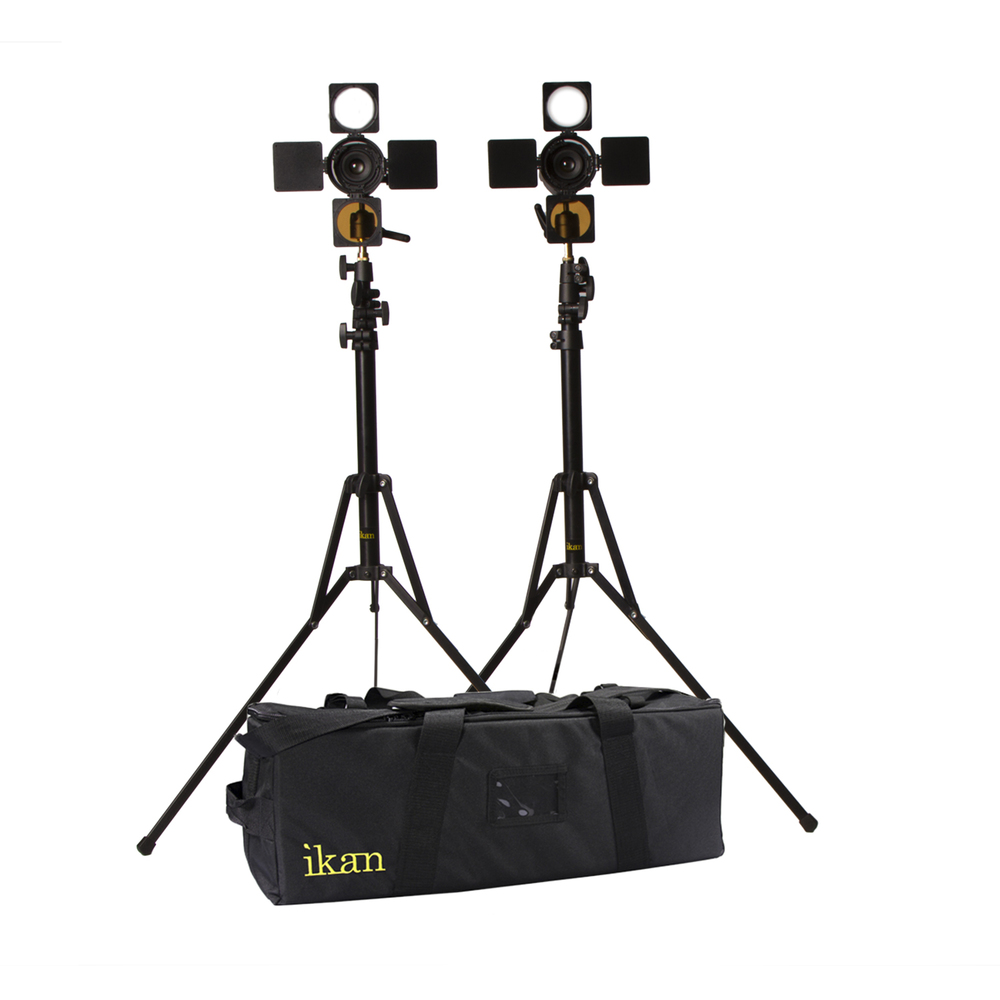
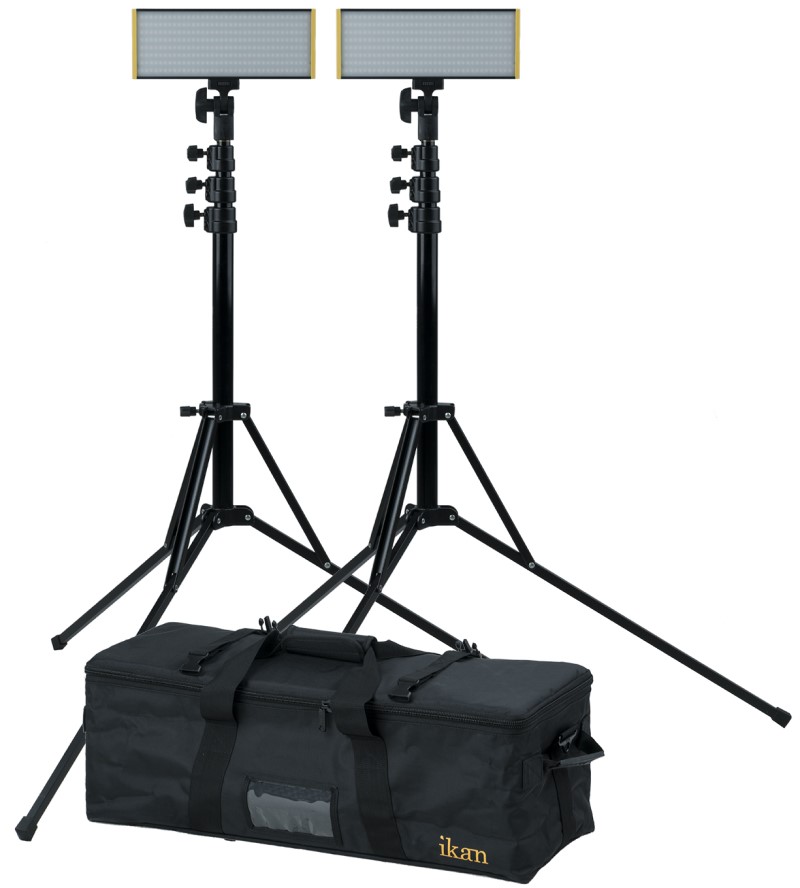
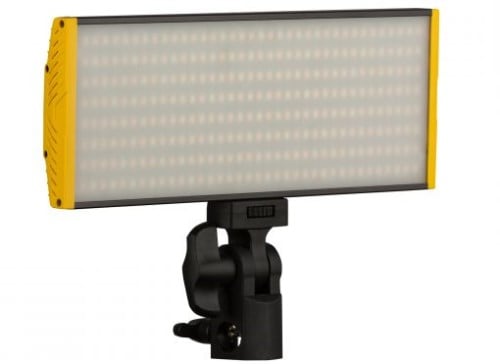
For anyone considering setting up a home video studio and wondering what types of home video studio lighting gear to obtain, consider a kit like the Onyx 30W Bi-Color 2-Point LED Light Kit with 2 lights, stands, and a nice carrying case.

One of the fantastic features of this complete light kit is that the lights can be battery-powered, which opens up on-location video productions with excellent light quality. 

First and foremost, these are good lights. The light quality is beautiful, with just the right mix of hard with soft. So you can easily modify them either way with simple accessories such as diffusers or barn doors, depending on which way you want to go. 
Onyx 30W Bi Color 2 Point LED Light Kit 2 image

As beginner lighting gear for video, this is an excellent kit. It also works as part of a larger home video studio lighting configuration. The one feature I wish it had was DMX control capability, but with the simple to operate buttons and the clearly read digital rear display that isn’t a deal-breaker because these LED lights are very high quality.

Having the option of mounting one directly to the camera and not being tied down by power cords adds to the versatility of the kit as part of a larger system. So if you start out with a fine kit like this one you can incorporate them into any other lighting gear for video that you may end  up with.

As a beginner home video studio lighting kit, as an on-location light kit, or as part of a larger set up, this is a good choice.

How Full Featured Do You Want Your Studio To Be?
types of home video studio lighting 2 image

Photo by Anna Shvets from Pexels

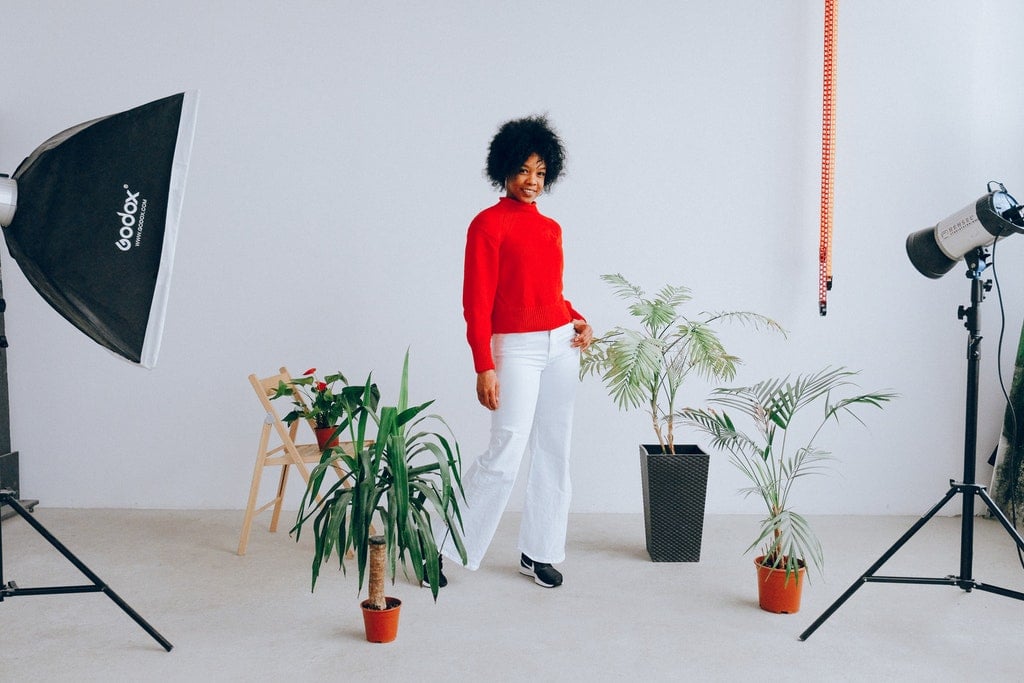
The lighting options for video are truly outstanding with the availability of DMX control, cool LED bulbs, battery power, fresnel lens focusing, and extremely high quality. Your home video studio will certainly not be lacking the ability to light scenes creatively.

This post about "Lighting Options for Your Home Video Studio" was first published on our website here https://www.photographytalk.com/lighting-options-for-your-home-video-studio

Saturday, 10 April 2021

Quick & Easy Tips for Decorating Your Home With Photos

I’ve been spending a lot of time during quarantine figuring out how to hang photos. Hanging photos is not only a great way to show off your hand work, but it can also be a really fun project to burn time when you aren’t doing anything else.  

It helps that my kid absolutely loves hands-on projects like this one. Learn more about photography project ideas on our website PhotographyTalk.com.

But, there are definitely good and bad ways of decorating your home with photos. If you’re thinking of embarking on this journey during a stay at home order, make sure you read these tips about decorating your home with photos first. 

Do Hang Photos in Every Room

decorating your home with photos 1 image

 photo by YinYang via iStock

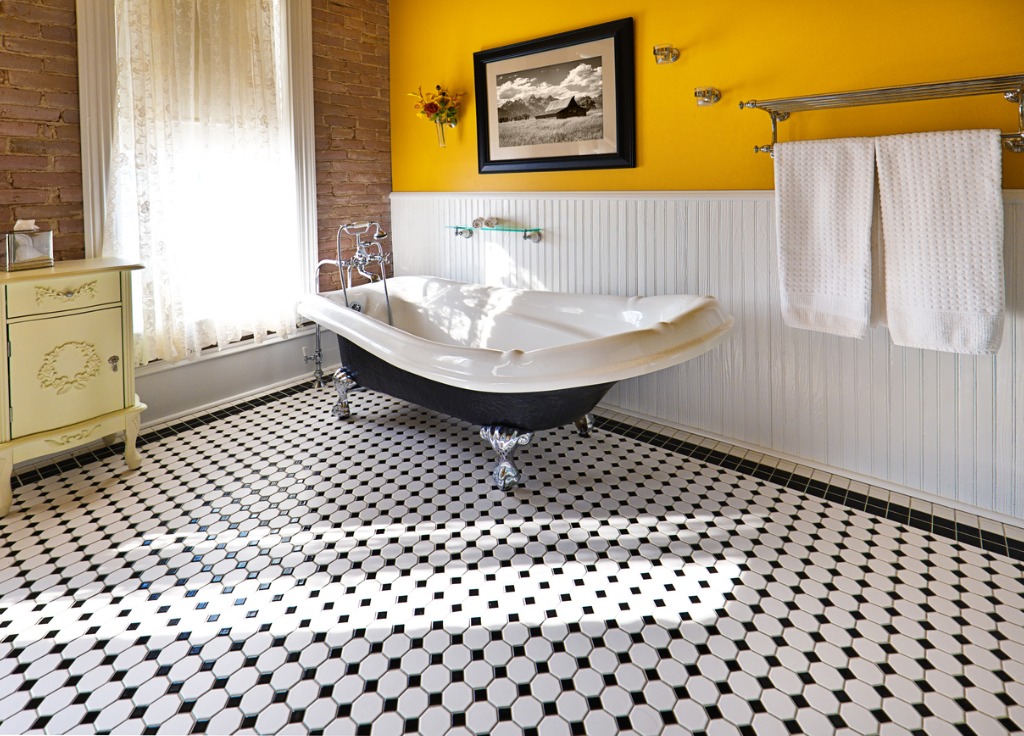
The biggest mistake I see people making when it comes to wall art is that they are afraid to hang photos in specific places, like the bathroom or their children’s rooms.

If I’m being honest, I don’t think there’s a wrong spot in your home to hang photos. Decorating your home with photos everywhere keeps the aesthetic the same from room to room and helps bring the concept together. 

Plus, some of the best interior decorators suggest hanging photos in less obvious spots, like the bathroom, because you can have a lot more fun with photos in these spots. 

For instance, you may not feel comfortable hanging a prominent photo of an odd subject over your bed or couch, but you can put that photo in your bathroom and it will look right at home. Plus, if you’re really proud of your photography at home, then wouldn’t you want to display it everywhere? 

Do Plan Each Wall Out In Advance

large format photography prints 2 image

 photo by KatarzynaBialasiewicz via iStock

Another tip for decorating your home with photos is to plan every wall out in advance. 

While it may be impossible for you to plan other aspects of your interior decorating with your photography (you aren’t going to repaint everytime you change up a gallery wall), you can and should ensure all of the photos you’re hanging in your home will work well together. 

A good way to do this is to move all of your furniture so that you can build the gallery wall on the floor in front of each wall. This way you won’t need to keep hanging and rehanging your photos in a new way because you can visualize your whole home before you make any firm decisions. 

Do Use Unique Hanging Techniques

how to hang photos 3 image

 photo by stockfour via iStock

When decorating your home with photos, you don’t need to use old hanging techniques that will put holes all over your walls.  

I use picture-hanging hooks, which are hooks that come with an incredible sticky backing. I started doing this when I lived in an apartment and wanted to get my deposit back, but over the years have found that this is a really easy way for me to change my gallery walls around more frequently because I don’t need to go back and caulk over all of the holes my photos have left.  

Another hanging technique that I love to use is to actually not hang my photos at all. What I mean by this is that you can set specific pieces down on bookshelves or tables at an angle. It’s a good way to make it look like your gallery wall is coming to life and it adds great dimension to your photography. 

Plus, it’s easier. I’m always a sucker for stuff that’s easy. 

Don’t Hang Photos Too High or Too Low

Tips for Decorating Your Home With Photos image

 photo by monkeybusinessimages via iStock

I hate when I see people hang photos way too high or low. Unless you’re creating a gallery wall, you should strive to have your photos hung up at eye-level. This means having the midpoint of the image around 57-60 inches off the floor. 

Hanging your photos up too high or down too low makes it more difficult for most people to see them without straining their neck or eyes to get a good look. You can also view another post about best creative photography ideas at home

Plus, it can also throw the design of your home off. Hanging images way too high or way too low throws off the balance in the room - it just doesn’t look right!

So, as you hang your photos, be sure you have your trusty measuring tape so you’re sure your images are the appropriate height.

Don’t Forget About Sizing

decorating your home with photos 4 image

 photo by theverest via iStock

When decorating your home with photos, you should be paying special attention to the sizing of your photos. 

If you’re working with large-format photography prints, you need to be careful when hanging them in a tiny room because you don’t want to overpower any other decorations you have.

Conversely, if you’re working with a small print, it may be best to put it in a large frame to ensure it has the visual weight needed to be hung up on a large wall. 

Don’t Use a Cheap Canvas Printer

canvashq image

Canvas prints are one of my favorite mediums to work with when I’m decorating my home, but if you use a cheap canvas printer, your wall art will also look cheap.

That’s why I use CanvasHQ. CanvasHQ only uses the best quality ink and canvases, so that you can pass your wall art onto your children as family heirlooms.

They also hand stretch each canvas and hand build each frame so that, if there happens to be a problem in the creation process, they can fix it right away. 

 image

Plus, since canvas prints are relatively cheap (even when you work with a good printer like CanvasHQ) you really have no excuse to buy cheap prints. 

Plus, unlike a lot of other canvas print makers right now, CanvasHQ is still shipping prints in a timely manner through the pandemic. You can actually check their website to see exactly how long it would take you to receive your canvas if you sent in a photo today.  

As of the writing of this article, you’ll need to wait just 3 days for your production. That’s not bad at all considering the quality and craftsmanship that goes into each print.

I have dozens of CanvasHQ prints in my home, and I have yet to be disappointed! Besides, as I found in my 2020 Canvas Print Shootout (see video above), CanvasHQ more than held its own against their competitors. 

This article about the topic "Quick & Easy Tips for Decorating Your Home With Photos" was first published on our website here https://www.photographytalk.com/quick-easy-tips-for-decorating-your-home-with-photos

Lighting Options for Recording Video at Home

Recording video at home requires good lighting in order for the finished video to have a natural appearance. You might at first think that the natural, ambient light in a home, office, or patio will record as a nice, natural look, but the truth of the matter is that ambient light can be difficult for good video recording. Learn more about photography at home on our website PhotographyTalk.com.

Lighting Options for Recording Video at Home image

Being able to control the light will provide consistent, even results for your productions recorded inside, outside, or under mixed ambient lighting. When interviewing someone or filming your own instructional style video, maintaining a natural appearance will enhance the viewing of your videos. 

How to Light for a Natural Look

recording video at home 1 image

Photo by Andrea Piacquadio from Pexels

Put a cinematographer in any room and area and they will start looking at how best to light it. Ambient light is fine for something spur of the moment, but controlling the lighting is how a cinematographer achieves those superbly well lit natural looking scenes we’re used to seeing. 

There are several simple video lighting arrangements that can be set up for recording video at home. The best lights for video recording are easy to operate, offer good color, and are powerful enough to control the scene. 

The main lights used by many record from home cinematographers and videographers are key lights, fill lights, rim lights, background lights, and ring lights. Any combination of these lights can give you total control over lighting ratios and exposure values. You can also check article about photography projects.

We will highlight three very basic configurations and some choices for the lights themselves from Ikan. When shopping for video equipment such as lights and accessories, Ikan is a premier retailer for equipment since they make a lot of the stuff themselves and it’s designed by videographers.

Single Ring Light

how to use a ring light image

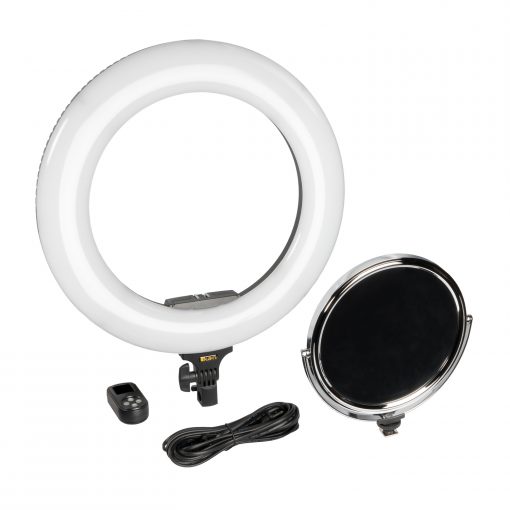
A ring light is a valuable tool for any videographer or photographer. Ring lights can deliver an almost shadowless light for relatively close up views. Figuring how to use a ring light is remarkably simple. You film through the ring of light itself.

This configuration is often used for close up shots or footage of an object you’re explaining or for recording a head and shoulder only view of an interview subject or yourself. 

How to use a ring light: while the light is on, move  the light closer or further away to vary just how shadowless it is. As with any other lights, the further away a ring light is, the more like a point source it becomes. 

A couple of added benefits to ring lights is that they are excellent lighting for makeup artists and you can add a ring light to any other configuration for an eye catch light that results in a circular highlight in the eye.

The Oryon 18” ring light from Ikan is an excellent example of the type of ring light useful for recording video at home. The large ring emits a large swath of shadowless light and is also big enough to use with a full frame mirrorless or DSLR camera, a dedicated video, or a smartphone.

2-Point Light Setup

2 point light setup 3 image

Perhaps the most common lighting configuration used in videography is the 2-point light setup. The two lights can be used in various ways. A couple of simple video lighting setups are a key plus fill light or a key plus back or edge light.

An easy way to get natural light when recording video at home is the key plus fill light configuration. The key light is the stronger light and the fill is less strong. The iLED 2-Point kit from Ikan comes complete with stands and can be adjusted with the included barn doors, gels, and diffusers.

In the common interview style of the subject looking slightly off the side of the frame, you can create either broad or short lighting by changing which side of their face gets the strong light. I like to have the stronger light on the side of the frame that the subject is not looking at, but either way works fine. You can also view another post about photography project ideas.

Using a 2-point light setup with a key light and edge light or backlight is also very easy to use and looks natural when recorded. An important tip with any interview video regardless of the light is to make sure you have both of the subject’s eyes visible, since having one eye hidden looks odd on screen.

3-Point Light Setup

3 point light setup 3 image

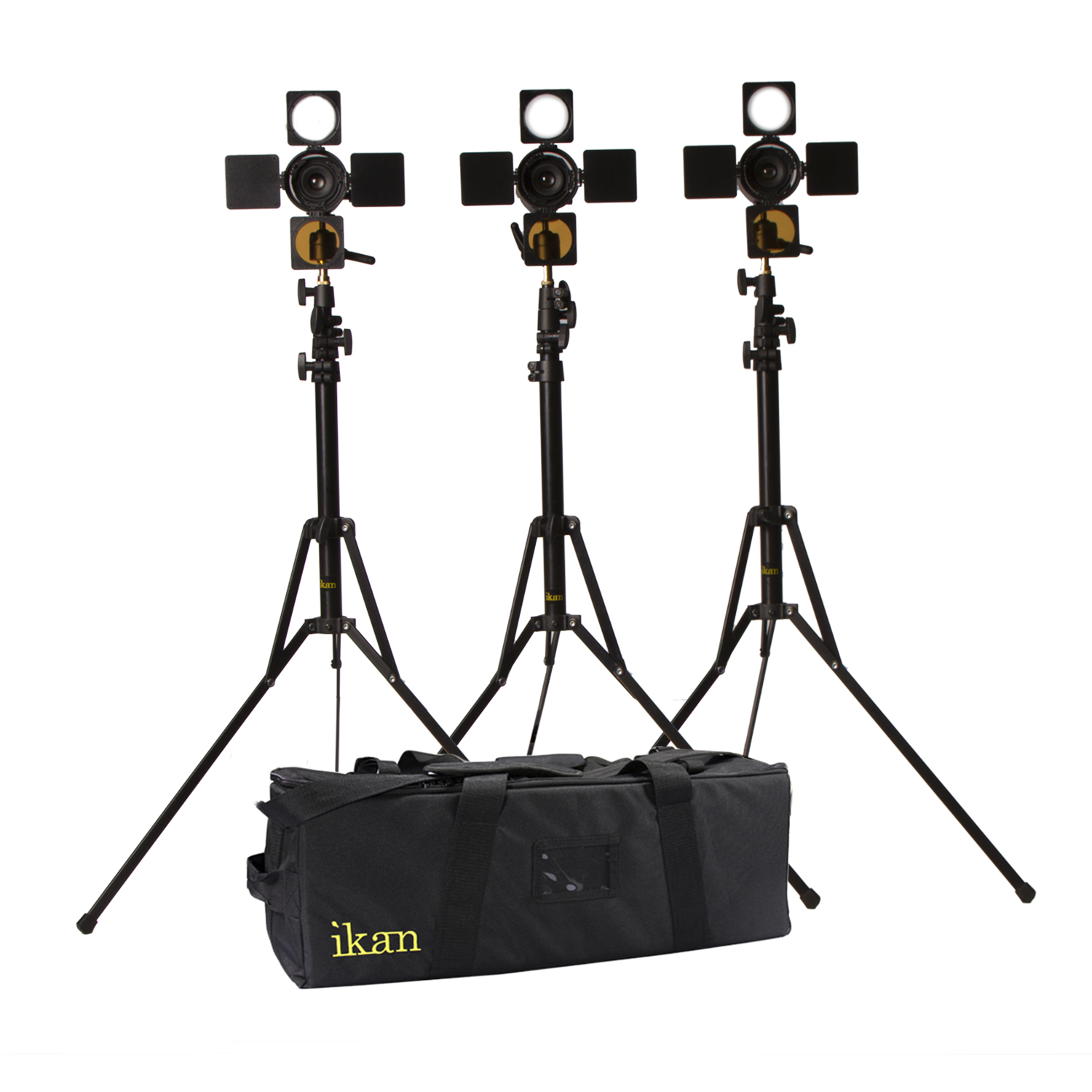
The 3-point light setup is extremely versatile and lets you configure the lights for key, fill, and back or edge light all at once. Alternatively, you could use the 3rd light to light up the background.

If you are planning on doing any chroma key or green screen effects, this lighting setup is the most useful since you need to light up the background for best results. The iLED 3-Point kit is the same as the 2-point light setup listed above, just with an added light, stand, and accessories. 

Another alternative use for a 3-point light setup is to film a group interview or a larger scene. You can spread out the lights and balance them for even lighting or adjust lighting ratios for modeling effects. Raising one light higher than the other two is also an option for filming larger groups of people. 

Control Is Key

simple video lighting image

Photo by Ketut Subiyanto from Pexels

The key light is your main light and how strong you have it shine will affect exposure and frame rate the most, adding the other lights will add exposure value as well as change up the ratios and balance of the scene. 

Move the lights around, raise and lower them, and adjust the intensity for what exposure settings you want, all of which will also enhance the naturalness of the finished recording.

This blog post about the topic "Lighting Options for Recording Video at Home" was first published on our website here https://www.photographytalk.com/lighting-options-for-recording-video-at-home

Tuesday, 6 April 2021

12 Tips To Create a Photographer’s First Home Studio

 1. Whatever drives you to pursue your interest in digital photography, it will eventually cause you to think about having a studio in your home. Before you take the plunge, however, make sure you’re confident and serious about making the investment in money and time to use a home studio. No one can predict the future, but you might want to explore many of the other common types of photography (landscapes, nature, sports, architecture, street life, etc.), in case one of these suddenly fires your imagination more than working in a studio much of the time. Learn more about home photography on our website PhotographyTalk.com.

Screen Shot 2012-12-27 at 11.16.51 PM image

2. The primary purpose of most first-time home photography studios is to shoot portraits with multiple lighting fixtures and various accessories, such as umbrellas, lightboxes, etc. It’s not only an excellent learning experience, but, after plenty of practice, it often leads to a serious amateur photographer’s first opportunity to make money with his or her camera.

3. When it comes time to scratch that inch, you must have a plan before you start ordering equipment and moving one of your children from his or her bedroom to the basement, so you can commandeer the bedroom for a studio.

4. The location of your studio is the first factor to consider. You want it to be where you can leave equipment on the floor without having to pack it every time you finish a shoot. For that reason, it must be in a space in the basement or attic that doesn’t disrupt family life, but it should also be behind a closed, locked door, so children can’t enter and injury themselves.

5. It must also be an area of your home where you can erect a temporary structure for backdrops or to hang lights from the ceiling level.

6. It’s also important that your home studio is well ventilated, since studio lights generate plenty of heat very quickly.

7. Once you’ve decided on the location for your home studio (and your spouse or significant other agrees), you must next plan the layout of the studio. You want to use the longest dimension of the room, so you have more shooting options of your subject. Plan on finding some coverings to block any sunlight entering the windows.

8. You’ll then want to construct that temporary structure, so you can install a seamless white background that creates an “infinity” drop, which simply means that the background is one piece that hangs from and covers the back wall, and then spreads across the floor. A large white sheet will work just fine.

An alternative to building a frame for a backdrop is to purchase a backdrop kit, such as the Photoflex FirstStudio Backdrop Support Kit. It sells for $149.95 at B&H Photo Video.

It’s easy to drape a white sheet over the Photoflex frame or purchase studio-specific roll paper, so you’ll always have a fresh, clean background for each shoot.

9. Include a small stool, as part of your studio equipment. What the pros do is to place the stool where your subjects will sit under or behind the backdrop, so it’s not seen in your portrait photos.

10. Now that you know what kind of photography you will shoot in your home studio, where it will be located and how you plan to use the space, you can finally decide on the appropriate lighting package. Since this will be your first foray into the studio experience, you want to be budget-conscious and start with a basic kit.

11. An excellent choice is the FirstStudio Three-Light Portrait Kit from Photoflex. It includes 3 FirstStar light heads, 3 FirstStar 250-watt lamps, 3 45-degree silver umbrellas and 3 Photoflex LiteStands. This Photoflex FirstStudio Kit is available from B&H Photo Video for $379.50.

12. Once you have your Photoflex FirstStudio Kit, you can learn the three-point lighting concept and many other lighting techniques at the free online PhotoflexLightingSchool. You’ll find it at www.photoflexlightingschool.com/.

Your feedback is important to thousands of PhotographyTalk.com fans and us. If this article is helpful, then please click the Like and Re-Tweet buttons at the top left of this article.

This article about the topic "12 Tips To Create a Photographer’s First Home Studio" was first published on our website here https://www.photographytalk.com/photography-articles/1801-12-tips-to-create-a-photographers-first-home-studio