Thursday, 1 October 2020

Nikon D500 vs Nikon D7500


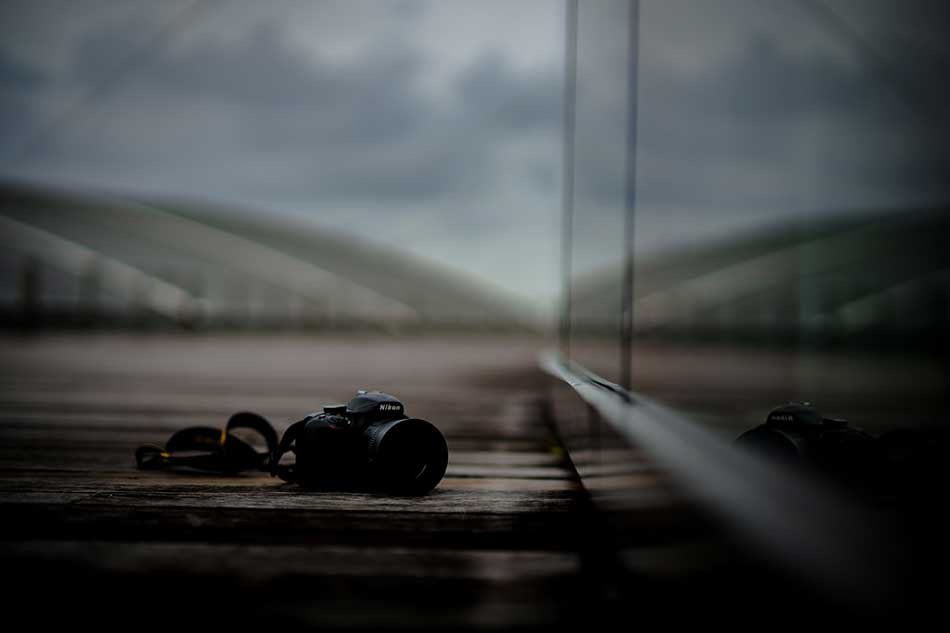
Nikon D500 vs Nikon D7500 image

Photo by Oliver Koh on Unsplash

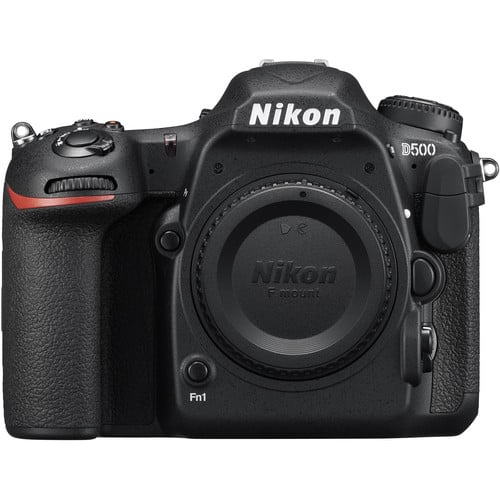
The Nikon D500 vs Nikon D7500 debate is another one that’s been raging on for years. The Nikon D7500 is just a few years older than the Nikon D500. But, they’re both a few years and are a pretty good bargain at this point.

Both of these Nikons are crop sensor DSLRs and they are both incredibly well-respected cameras within their classes. I, for instance, have shot with both of these and haven’t had many problems with either.

Still, if you’re thinking about purchasing either of these cameras, a full Nikon D500 vs. Nikon D7500 review would be helpful. Here we will break down the different specs, design features and price points of both of these Nikons. 

Nikon D500 vs Nikon D7500 Specs
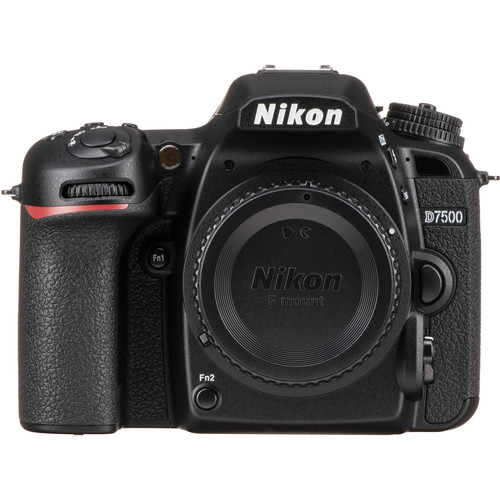
Nikon D7500 specs 1 image

Nikon D7500

I’m going to break down the Nikon D500 vs. Nikon D7500 specs, but I’m going to start with the D7500 since this camera came out first in 2017. 

When you pick up a Nikon D7500 you can expect a 20MP sensor, 8fps burst mode, and a hearty ISO range of 100-51,200. 

This is the sort of camera people would have called a workhorse when it first came out.

But, my favorite thing about the Nikon D7500 is its 4K video capabilities. You can shoot 4K at up to 30p.
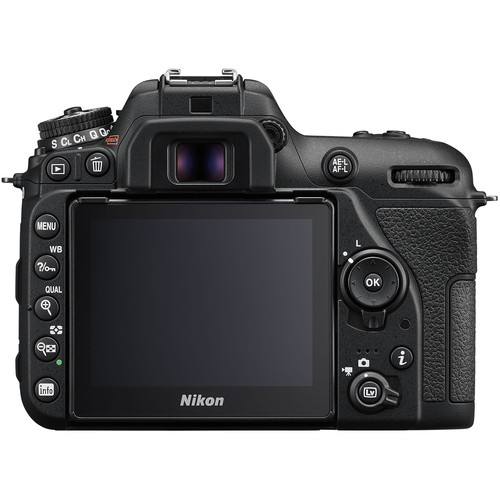
Nikon D7500 specs 2 image

Nikon D7500 

Other Nikon D7500 specs include:

  • 20MP sensor
  • Expeed 5 processor
  • 100% viewfinder coverage
  • 4K video capabilities
  • 8fps burst mode
  • ISO range of 100-51,200
  • 51-point AF system
  • 3.2” tilting LCD with 922-k dots

Nikon D500 Specs 3 image

Nikon D500

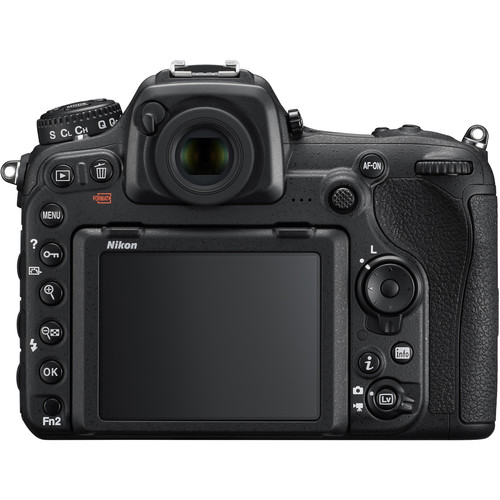
The Nikon D500, like the Nikon D7500, also features a 20MP sensor and Expeed 5 image processor. In essence, the image quality from both of these cameras is going to be the same across the board. 

Unlike theNikon D7500, though, the Nikon D500 features a more advanced screen with 2.35m-dots, a faster burst mode at 10fps, and a 1,240-shot battery life.
Nikon D500 specs 4 image

Nikon D500 

Other Nikon D500 specs include:

  • 20MP sensor
  • 10fps burst mode
  • ISO range of 100-51,200
  • Expeed 5 processor
  • 4K video capabilities
  • 3.2” tilting touchscreen with 2.35m-dots
  • Built-in Wi-Fi and Bluetooth
  • 1,240-shot battery life

When it comes to the Nikon D500 vs Nikon D7500 specs, these two cameras are rather similar. Of course, if you’re looking for a camera that’s going to be with you for years to come, then you should probably go with the Nikon D500 since it’s rated at 200,000 shutter actuations and the Nikon D750 is more of an enthusiast model and is only rated for 150,000.

Nikon D500 vs Nikon D7500 Body & Design
D7500 Body Design 1 image

Nikon D7500

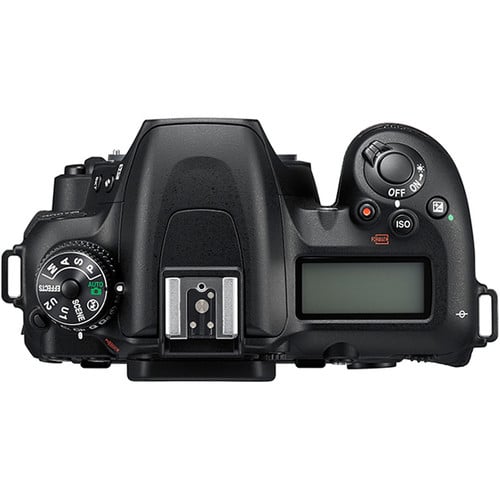
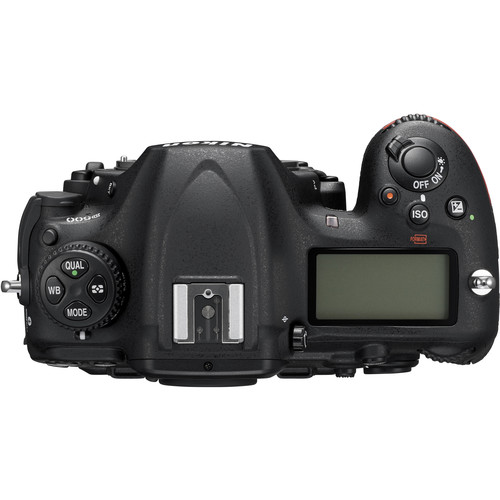
However, the Nikon D500 vs Nikon D7500 debate gets much more interesting when it comes to their designs. The two cameras are relatively similar, except for the fact that the Nikon D500 is obviously built for more serious photography enthusiasts.

What I mean by this is that the Nikon D500 body is bigger, with a thicker grip that feels more comfortable naturally in your hands. It also generally feels sturdier. I’m not scared to hand a Nikon D500 to my son who has been messing around with cameras since he was a toddler. 
D500 Body Design 2 image

Nikon D500

As aforementioned in the Nikon D500 vs Nikon D7500 specs section, both of these cameras feature tilting screens, but the Nikon D500’s screen is surrounded by a more rugged setting. 

Importantly, the Nikon D500 features illuminated buttons, which is a feature the Nikon D7500 doesn’t. This isn’t a huge buzzkill for all photographers, but if your current camera model features illuminated buttons I’d say it’s definitely hard to revert to a camera body that doesn’t.

Overall, you can expect the Nikon D7500 to have a simpler layout, one built for amateurs, while the Nikon D500 is going to feature more in-depth options. You can see this through the addition of function buttons on the D500, and the fact that the D500 features a dedicated AF-ON button. Both of these features are missing from the D7500.

Nikon D500 vs Nikon D7500 Build & Handling
Nikon D7500 Build Handling 1 image

Nikon D7500 

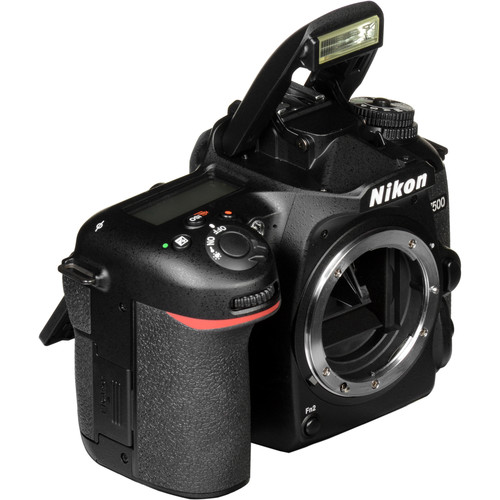
Whenever I get into a Nikon D500 vs Nikon D7500 debate with my friends the first thing they always bring up is the fact that you can’t use the Nikon D7500 with a battery pack. Nikon took this capability away with this model and it makes handling the camera all day a much bigger hassle. 

However, it seems that wherever there is a small inconvenience with one of these models there is a similar small inconvenience with the other. The Nikon D500 doesn’t feature a built-in flash, but the Nikon D7500 does. 

I don’t find myself using a built-in flash all that often, but it’s still always nice to have the option if I accidentally find myself without my external flash kit. 
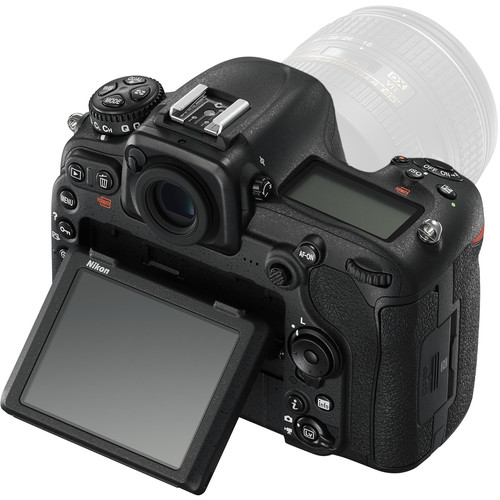
Nikon D500 Build Handling 2 image

Nikon D500 

A big part of the Nikon D500 vs Nikon D7500 handling debate is discussing how well both of these models work with Nikon’s radio-enabled speedlights that came out recently.

Both of these cameras are capable of working with them, but if you’re thinking of picking up the SB-5000 speedlight you’re going to need a wireless transmitter to do so.

One thing I’ve failed to mention thus far in this Nikon D500 vs Nikon D7500 article is the weather-sealing on either model. Since the Nikon D500 is the model that sits on the cusp of an amateur/professional model I would expect it to have better weather-sealing. However, Nikon claimed that it updated the weather-sealing specifically for the Nikon D7500 model, so they’re both pretty similar. 
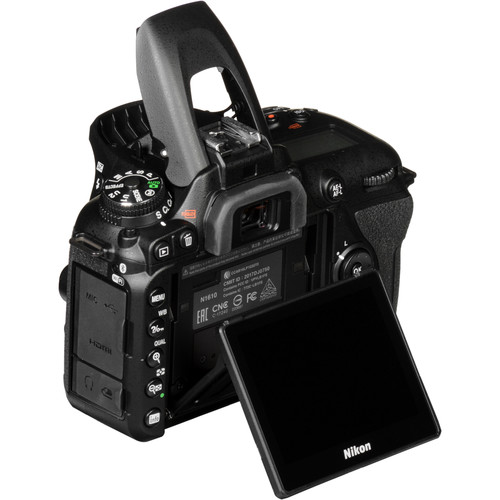
Nikon D500 Build Handling 3 image

Nikon D7500

There are also some differences between these models that you’ll notice immediately upon picking them up. The Nikon D500 body is made up of magnesium alloy, whereas the Nikon D7500 is made up of carbon fiber composite. So, the Nikon D7500 is noticeably lighter. 

Further, the ergonomics of the Nikon D500 are obviously better. For instance, if you’ve been in the photography industry for a while, you’re going to have a simpler time working with the Nikon D500 simply because it has more options than the Nikon D7500, which is built with a simpler, traditional layout. 

Nikon D500 vs Nikon D7500 Video Performance

Nikon D500 vs Nikon D7500 Video Performance image

Photo by Harrison Kugler on Unsplash

This is yet another section that essentially outlines the extreme similarities between these two cameras. The Nikon D500 vs Nikon D7500 video performance is a discussion almost not worth having. 

Both of these cameras feature 4K UHD output. Both of these cameras feature a 1.5x crop of their sensors in order to do so. They also both feature a Flat Picture Profile.

The only true difference in the video performance of these two models is that the Nikon D7500 has power aperture which allows you to control the aperture of the camera when it's in live view mode. While this feature is nice to have, it’s going to go unnoticed by a photographer who only dabbles in videography work. 

You could also argue that the Nikon D500 should win the Nikon D500 vs Nikon D7500 debate when it comes to video simply because it comes with a clip to retain an HDMI lead when you’re recording video externally.

It’s a rather small feature, but it’s definitely nice to have.

I, of course, understand that sometimes you just need to see a side by side comparison in order to truly judge any two cameras.

This is why I’ve included a video comparison test by CamerArena.com just above. 

Nikon D500 vs Nikon D7500 Price
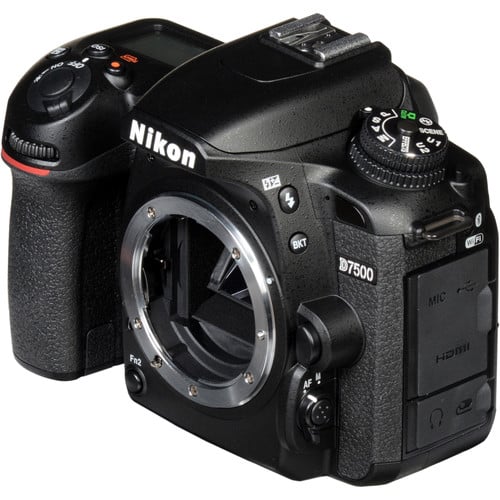
Nikon D7500 Price 1 image

In the Nikon D500 vs Nikon D7500 debate, the price point of the two cameras is probably the thing that’s most different about them.  That’s why this section, the Nikon D500 vs Nikon D7500 price section, is so important. 

You can find a used Nikon D500 on MPB starting at $800 for a well-used version, or $1,040 for a version in excellent condition. 

On the other hand, you can usually pick up a Nikon D7500 for much cheaper than this. MPB currently doesn’t have any used Nikon D7500s listed, but you should definitely check back because they rotate through hundreds of new products every single day. 

Comment your thoughts on the Nikon D500 vs Nikon D750 debate below. 

This blog post about "Nikon D500 vs Nikon D7500" was first published on our website here https://www.photographytalk.com/nikon-d500-vs-nikon-d7500

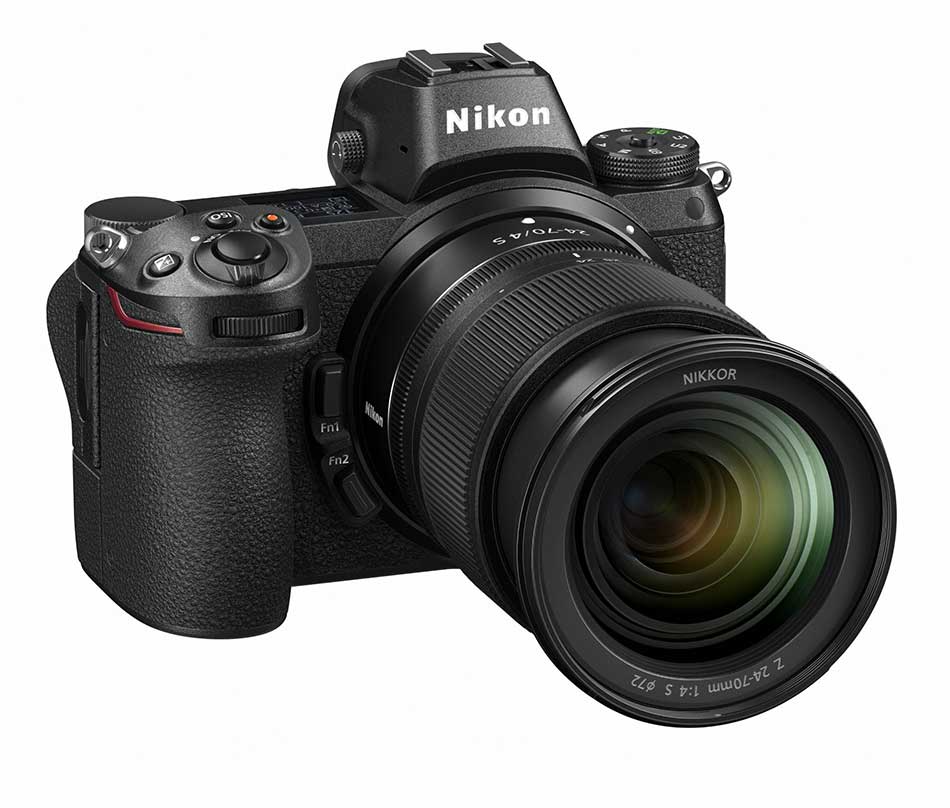
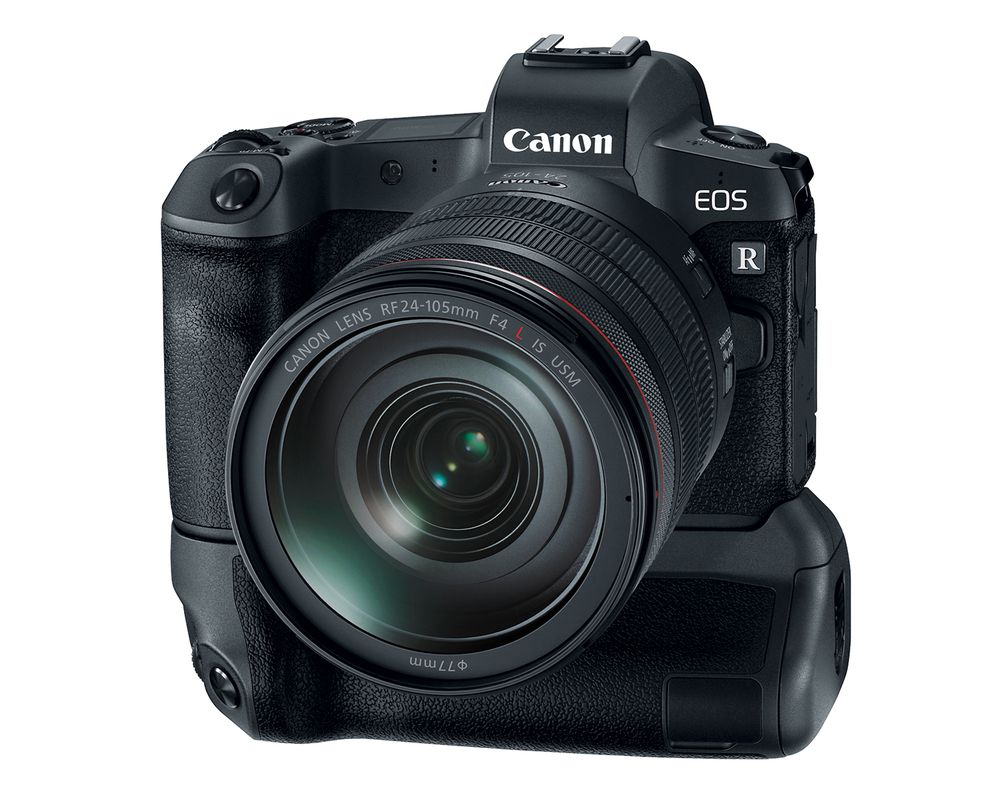
Canon EOS R and Nikon Z7: Death of the DSLR?

With the recent release of the Nikon Z6 and Z7 and the even more recent announcement of the Canon EOS R, photographers have to be wondering...

If the two biggest camera makers in the world have finally gotten on the mirrorless train in full force, how long will it be before DSLRs are a quaint thing of the past? 

death of the dslr image

It's an interesting question, and one that photographers have been asking for years and years now.

In fact, a quick Google search reveals dozens of articles from four, five, and six years ago proclaiming that mirrorless cameras would end DSLRs. It hasn't happened yet, though.

image

What makes this situation different is that the Nikon Z6 and Z7 and the Canon EOS R aren't half-hearted attempts at mirrorless cameras like the previous offerings that Nikon and Canon put out.

Instead, these are big boy cameras for enthusiasts and professionals...

And there's a reason why that's important.

Beginners, amateurs, and enthusiasts are already firmly in the mirrorless camp. Now the only demographic left to conquer is the professional circuit. These new Nikon and Canon mirrorless cameras are the first step in doing that.

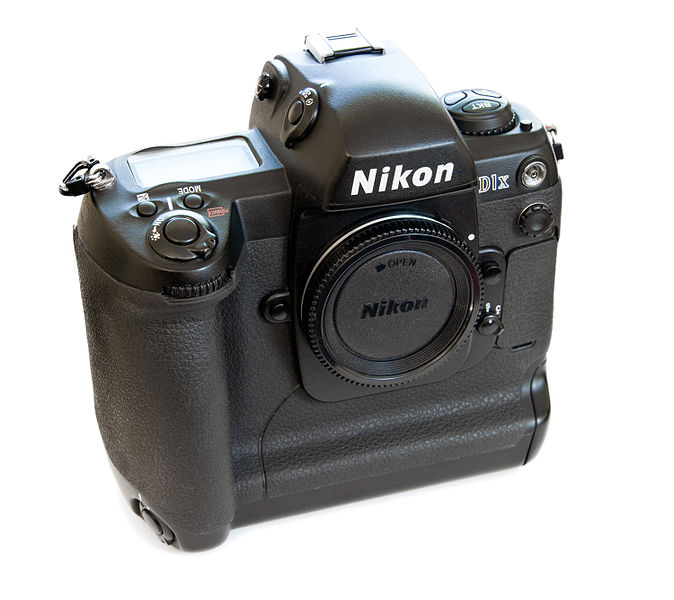
674px Nikon D1x 3656 imageNikon D1x, one of the first DSLR cameras. By Ashley Pomeroy [CC BY-SA 3.0  (https://creativecommons.org/licenses/by-sa/3.0)], from Wikimedia Commons 

It's a lot like it was 20 years ago when DSLRs made their first appearance.

At first, they were sort of a novelty item with low megapixel counts, giant bodies, and terrible battery life, as was the case with the Nikon D1x shown above.

But over the years, DSLRs became the go-to for photographers and SLRs found their way into vintage shops.

Mirrorless cameras seem to be following a similar path.

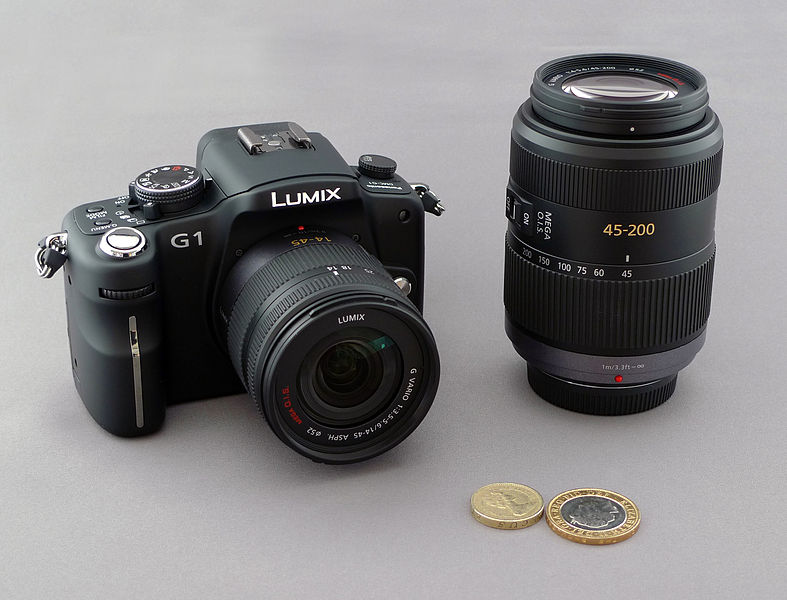
Panasonic Lumix DMC G1 imagePanasonic Lumix DMC G-1, one of the first commercially available mirrorless cameras. By brett jordan (Panasonic Lumix DMC-G1) [CC BY 2.0  (https://creativecommons.org/licenses/by/2.0)], via Wikimedia Commons
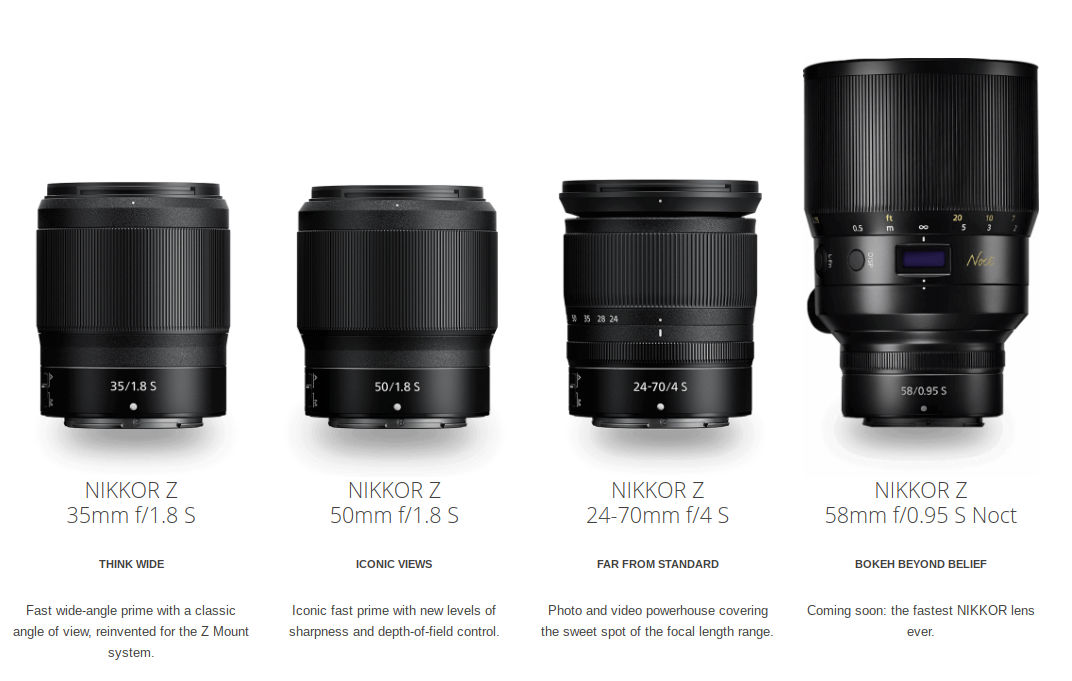

Initially, mirrorless cameras were knocked for having a poor selection of lenses, electronic viewfinders that were laggy, and terrible battery life (you know who you are, Sony...).

But those issues have largely been fixed.

Take, for example, the fact that the Z-series from Nikon is being released with three lenses with a whole herd of other lenses in development. Canon's EOS R will have four lenses right out of the gate, and will also develop more in the coming years. And both systems are backward compatible with existing glass by using a handy lens adapter.

 image

So it seems Nikon and Canon have really thought things through and figured out a way to make the transition from DSLR to mirrorless a much smoother ride than it was to switch from SLR to DSLR back in the day.

Of course, they only had about ten years to figure this mirrorless thing out, so it stands to reason that they roll out the red carpet for their mirrorless cameras with a ton of confidence.

two women photographed with a smartphone fishing boat in the sunset picture id869591220 image Image Credit: ultramarinfoto via iStock

Apart from really, really good professional-level mirrorless cameras being available from virtually every camera manufacturer now, photographers on the other end of the spectrum - beginners - simply don't need a DSLR.

Smartphones are the DSLR's grim reaper, and have caused the market share of DSLRs to tank over the last five years.

With the technology in smartphone cameras getting better and better, John and Jane Q. Public can take perfectly fine photos of their kids, their dog, and their vacation with nothing more than their mobile phone.

mirrorless camera detail picture id652414368 image Image Credit: hiphotos35 via iStock 
And just consider the features that mirrorless cameras have over DSLRs...

Mirrorless cameras are smaller and lighter weight. Their EVFs have become astoundingly good. They offer better burst shooting speed and improved video-taking abilities as well.

Where mirrorless cameras had questionable autofocus systems early on, today, they've more than closed the gap with high-end DSLRs in that department.

What's more, mirrorless cameras are getting better and better battery life and closing that gap with DSLRs, too.

In other words, I don't see a whole lot of factors that will end up saving the DSLR from being obsolete.

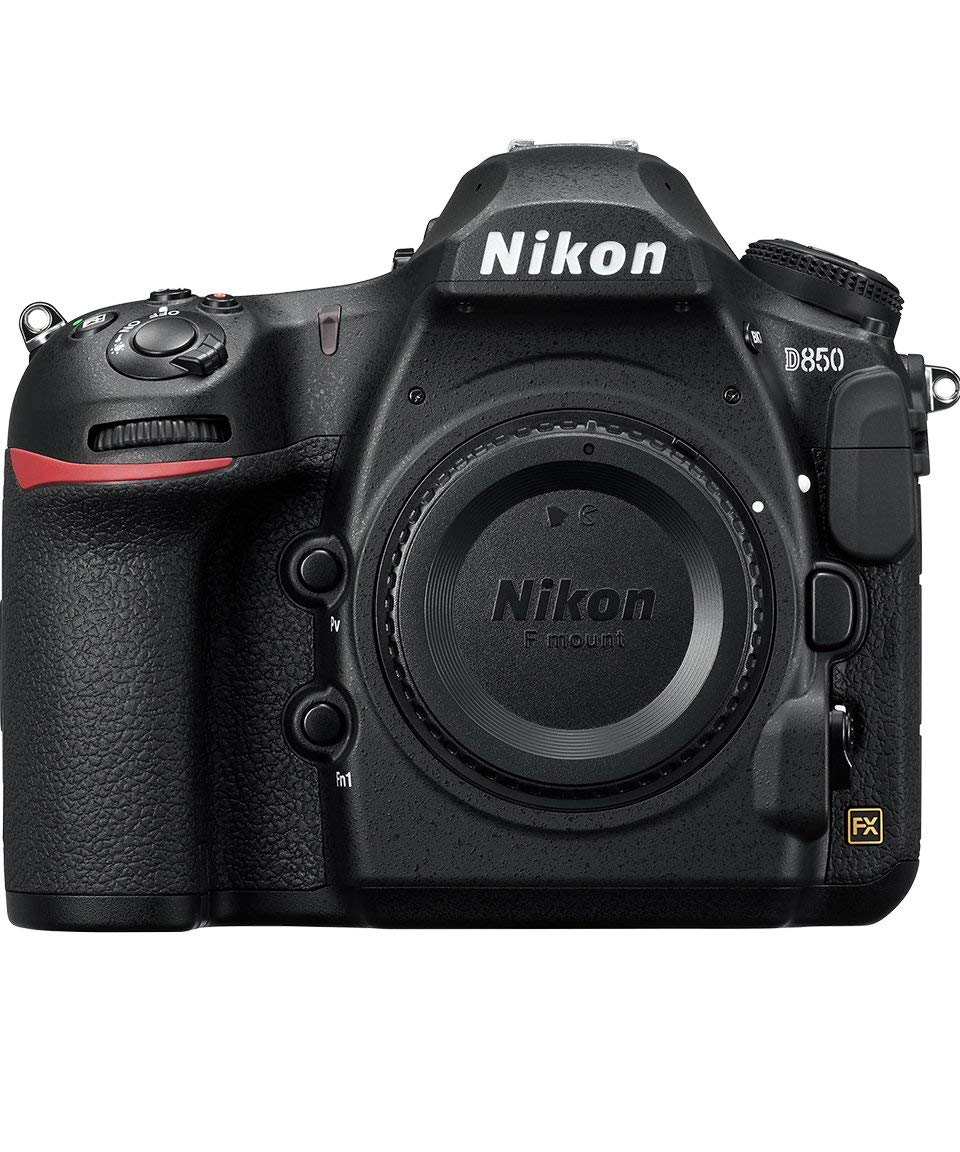
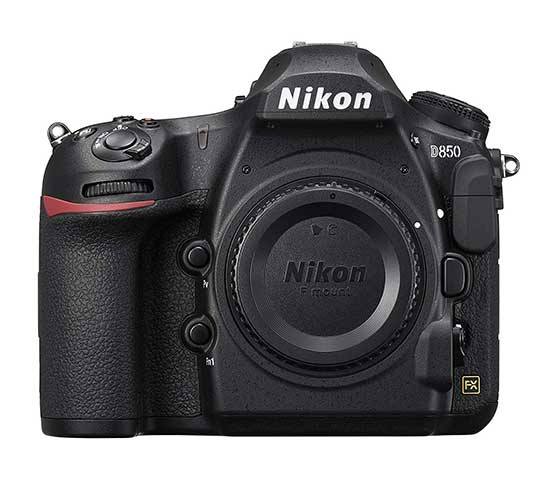
That pains me for a number of reasons, not the least of which is that I have a Nikon D850.

 image

I don't think that DSLRs will die next year or the year after that. In fact, I think they've got a few more years of life in them.

But the Z7 and EOS R are the strongest indications yet that mirrorless is here to stay and that DSLRs are facing extinction.

Who knows, maybe in four or five years' time, I'll be writing a nostalgia piece about how people used to use big, bulky DSLRs!

This blog post about the topic "Canon EOS R and Nikon Z7: Death of the DSLR?" was first published on our website here https://www.photographytalk.com/photography-articles/8815-canon-eos-r-and-nikon-z7-death-of-the-dslr

10 “G” Whiz Wows of the New Nikon AF-S NIKKOR 85mm f/1.8G Lens

 1. Nikon isn’t wasting any time to be the first digital photography manufacturer with announcements of major new pieces of equipment during the first days of 2012. As well as the D4 DSLR camera (see article link below), a new FX lens was also introduced on January 6. It is the AF-S NIKKOR 85mm f/1.8G, which is meant to replace the old f/1.8D.

Read real customer reviews of the Nikon AF-S Nikkor 85mm f/1.8G Lens here.

2.   This medium telephoto lens is a perfect choice for enthusiasts and pros shooting portraits, street photography, nature, architecture and many other types of subject matter and assignments. On a DX-format DSLR, the lens’ field of view expands to 127mm.

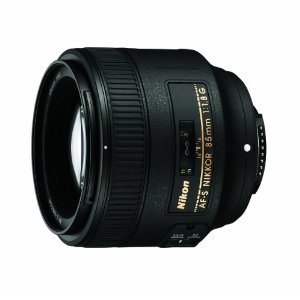
41hYDWyhvbL._SL500_AA300_ image

3.   This lens’ fast aperture of f/1.8 also expands every photographer’s shooting opportunities into low-light situations that would otherwise be unavailable with a slower lens.

4.   As an internal-focus lens, the people at Nikon are able to make the NIKKOR 85mm f/1.8G a trim, lightweight package that weighs only 12.4 oz. (350g). The length of the lens doesn’t change during focus operation, maintaining its 2.9 inches (73mm). The diameter of the 85mm is 3.1 inches (80mm). Internal focus also allows for a much shorter minimum focus distance of only 2.62 feet (79.85cm). 

5.   For portrait work and other subject matter, the new Nikon 85mm f/1.8G lens must have a highly precise and incredibly quiet auto-focus system. This lens delivers just that with Nikon’s Silent Wave Motor (SWM). This professional-grade auto-focus technology doesn’t disturb the shooting environment as it also operates at a high speed with consistent accuracy.

6.   Despite the technological and photographic benefits of auto-focus, serious photographers and pros still want to take control of the focus function at a moment’s notice and without hesitation. The M/A mode in the new Nikon 85mm f/1.8G gives photographers that control with an easy and quick means to move from auto-focus to manual almost immediately, whether they are shooting in one AF mode or another, or the AF servo is operating.

7.   Nikon has built this lens with 9 elements in 9 groups and has applied its Super Integrated Coating (SIC). Not only does this result in virtually non-existent ghosting and flares, but also maintains an excellent color consistency while reducing reflections.

8.   The Nikon AF-S 85mm f/1.8G lens is also the right choice for casual or professional portraits outdoors. Its bokeh, or quality of the background blur, gives each image an amazing dimensionality helping to lift and isolate subject matter to make it more interesting and viewable.

9.   The Nikon 85mm accepts threaded, 67mm filters and comes with a snap-on front lens cap, rear lens cap, bayonet lens hood and a semi-soft lens case.

10.        According to the B&H Photo Video Web site, an arrival date for the new Nikon 85mm f/1.6G lens was not known as of January 6, 2012. It’s priced at $499.95 at http://www.bhphotovideo.com/c/product/838798-REG/Nikon_2201_AF_S_NIKKOR_85mm_f_1_8G.html

This article about "10 “G” Whiz Wows of the New Nikon AF-S NIKKOR 85mm f/1.8G Lens" was first published on our website here https://www.photographytalk.com/photography-equipment-reviews/1997-10-g-whiz-wows-of-the-new-nikon-af-s-nikkor-85mm-f18g-lens

Nikon D850 vs Nikon D810

In this article, we will compare two giants among DSLR full frame cameras: the Nikon D810 and Nikon D850.

Both models are very popular among photographers, as they have shown to be a great companion and worthy money-making equipment.

The D810 was already established as one of the best semi-pro cameras at the time of the release of its successor, the D850. Many users fell in love with the D810 and almost five years later, they are still not willing to replace it with any other camera.

iStock 458710595 image

photo by AdrianHancu via iStock

The D850 was released in 2017, as the successor to the D810. It comes with many improvements over the older camera but at a higher price. While you can buy the D810’s body for just under $2,800.00, you will need to spend $3,300.00 for the Nikon D850.

In this comparison article, we see if the D850 is a worthy replacement of its older sibling or if it is better for you to save $500 and opt for the D810.

Nikon D850 vs Nikon D810 Body Comparison

Nikon D850 vs Nikon D810 body comparison image

Nikon D850

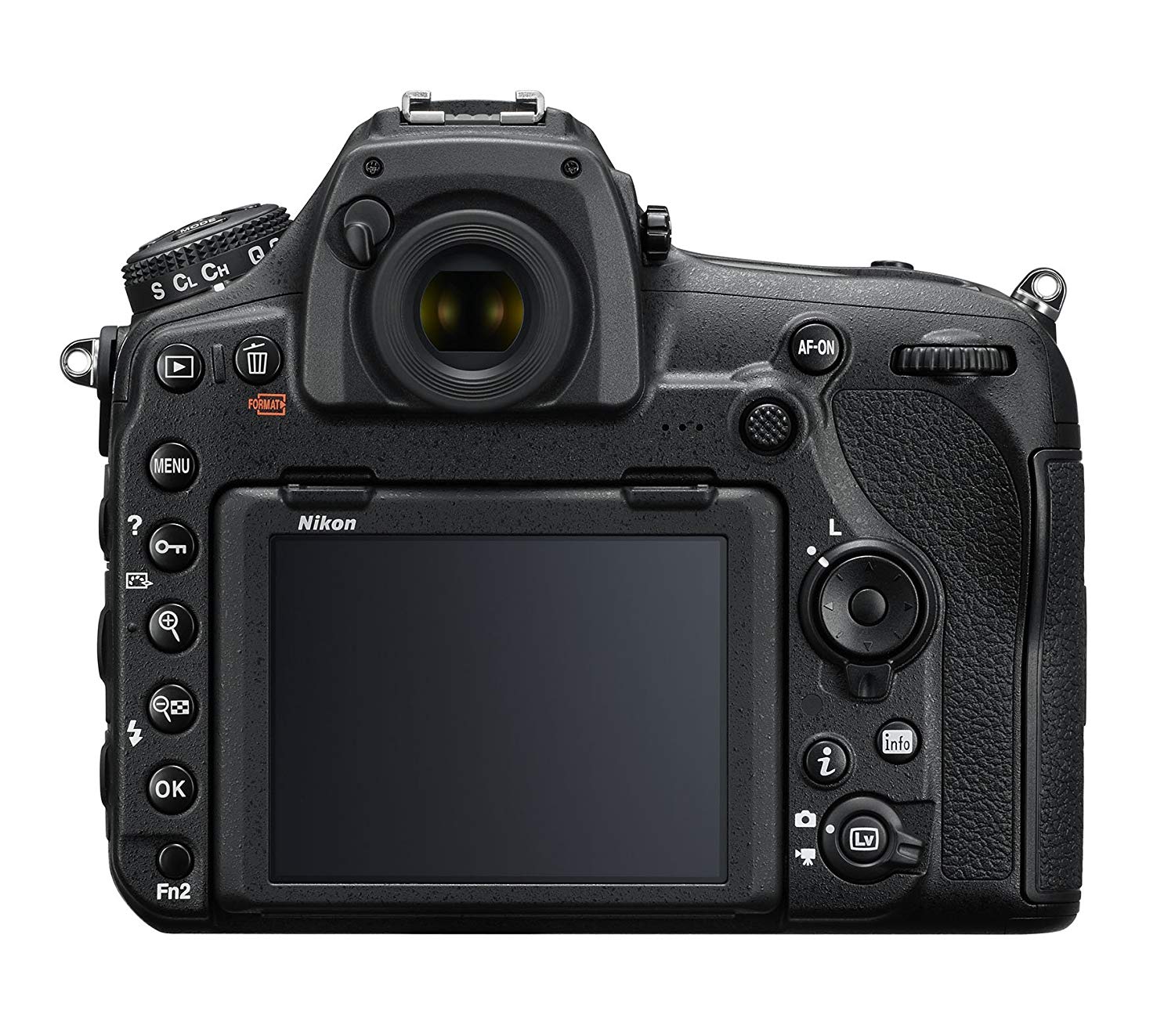
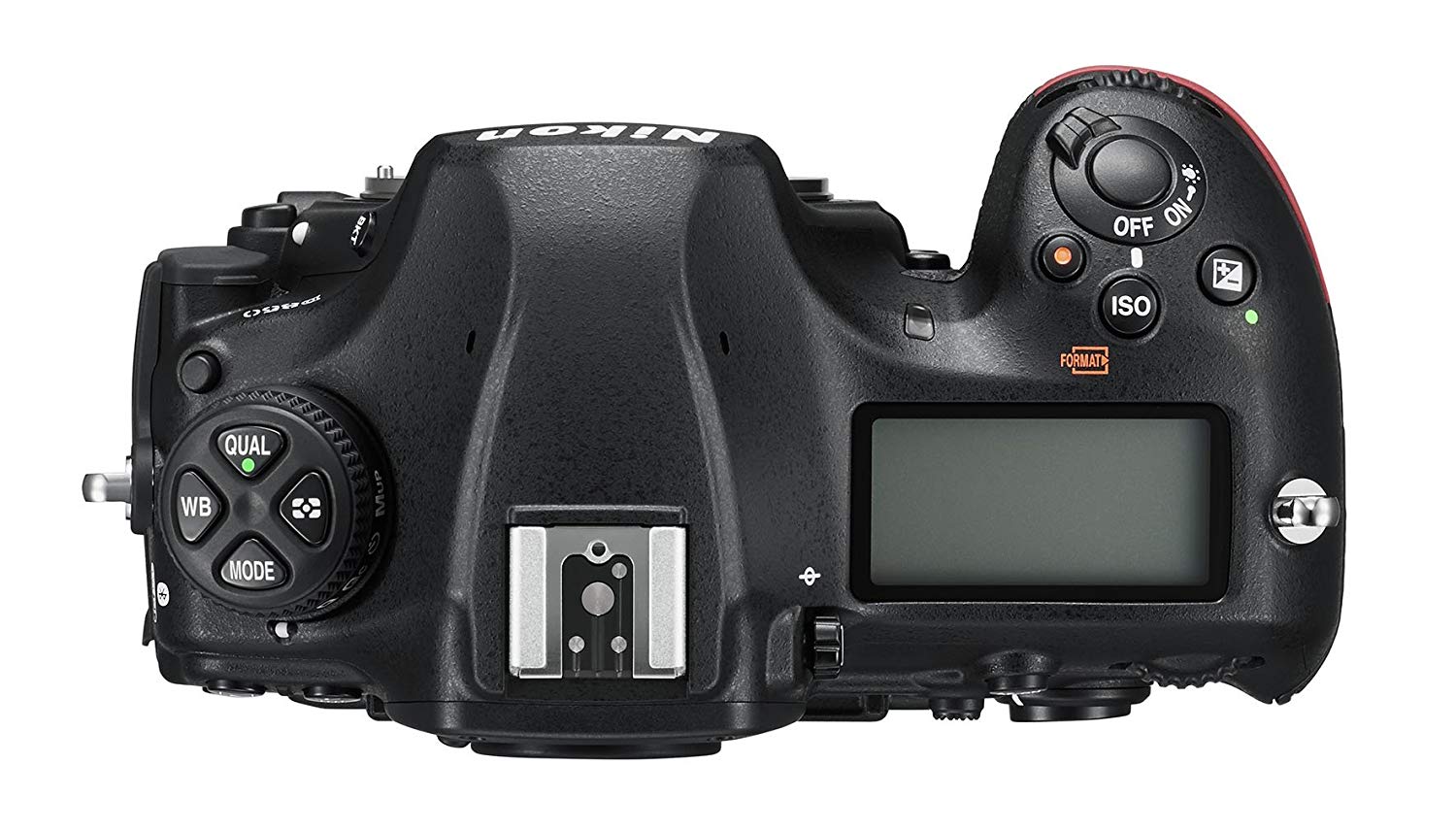
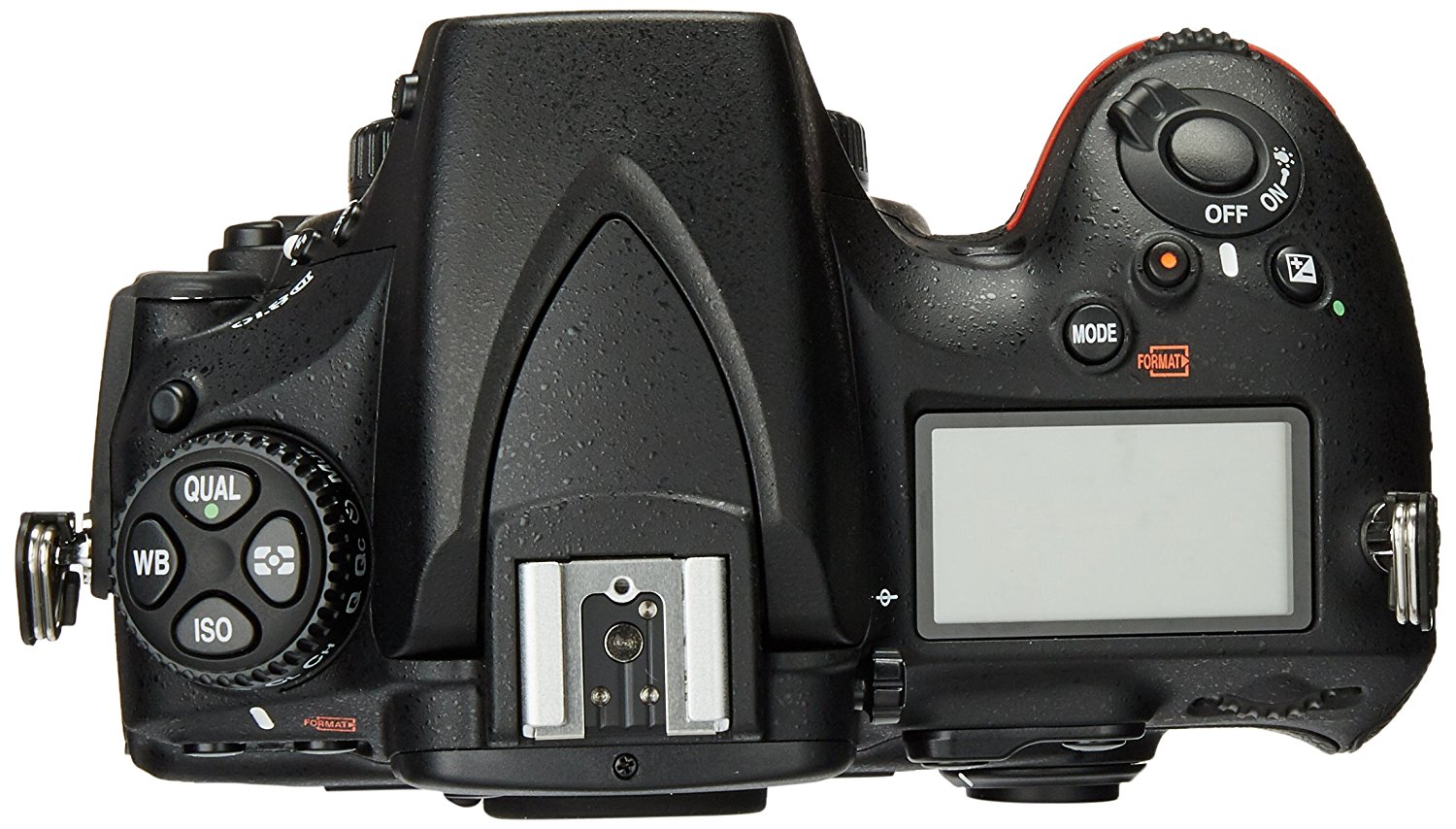
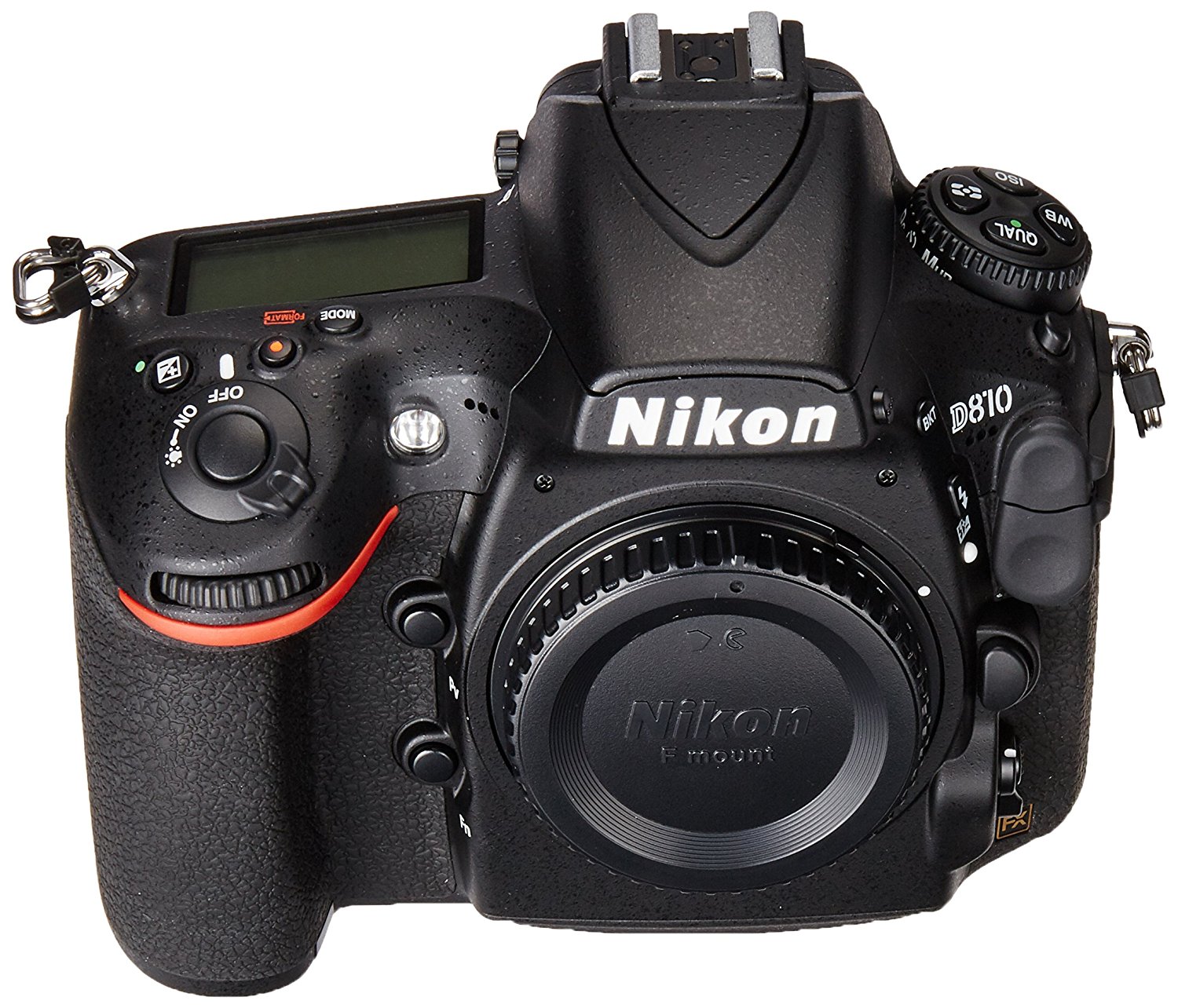
If you put the Nikon D850 and D810 beside one another, you will hardly notice any difference in their design. They are both weather-sealed and mostly built of magnesium-alloy which makes them capable of enduring harsh weather conditions and gives them a longer lifespan.

Both cameras weigh around 2 pounds without a lens or accessories attaches, and although the D850 is a bit heavier, it will be hard to notice this difference in reality.

Generally speaking, both models are professionally built and they feel good in hand because of the deep grip and intelligent ergonomics.

Although there are few minor differences in button positions, if you are already familiar with the D810, you will get accustomed to the D850 in no time.

The main physical difference between the D810 and D850 is that the newer camera lacks a pop-up flash which was a nice feature enjoyed by users of the D810.

On the other hand, the D850 incorporates a tilting LCD display instead of the flat screen that could be found on the older model. The new display in the D850 also adds touchscreen technology and offers a higher resolution as well.

Get a detailed hands-on review of this camera in the video above by Park Cameras.

Nikon D850 vs Nikon D810 Features

Although they closely resemble each other, the D850 is a worthy upgrade to the Nikon D810 as it adds a lot of new features while improving the old ones.

To start with, the D850 offers a 45.7MP full frame sensor which is an impressive upgrade over the already astonishing 36.3MP sensor that is in the core of the D810. 

Additionally, there are huge differences in video recording capabilities between these two models. If you are more into making movies than into taking stills, you will definitely need to stick to the D850.

The Nikon D850 offers 4K UHD (3840 x 2160p) video recording at frame rates up to 30fps and full HD footage at up to 120 fps. If you compare it with the D810’s capability to capture Full HD footage at up to 60p, you will understand why it can’t compete with video features offered in the D850.

Decide which camera better suits your needs by watching the video above by Finding Middle Earth.

The cameras also differ in terms of speed.

The Nikon D810 offers 5fps continuous shooting. This is an average speed, but the D850 improves it even more, as it offers 7fps continuous speed and up to 9fps with an optional battery grip.

Along with speed, the D850 also carries improvements in autofocus technology.

While there is a 51-point AF system with 15 cross-type points in the D810, there is now a 153-point AF system with 93 cross-type points in the Nikon D850.

Additionally, the D850 works better while focusing subjects in low-light conditions, as it can focus down to -4EV, in comparison to the D810 that can focus as low as -2EV.

Nikon D850 vs Nikon D810 ISO Comparison

At the time of its release, the D810 was one of the best DSLR models on the market because of its 36.3MP full-frame sensor with no low-pass filter.

Five years later, it is still a major player and there are only a few new cameras that offer a bigger resolution for the same amount of money as you would need to spend on the D810.

Nikon D850 vs Nikon D810 High ISO Comparison image

Nikon D810

Although it provides superb image quality, the D810 hardly competes with its successor that offers a stunning 45.7MP back-illuminated, full-frame sensor.

The back-illuminated (BI) sensor technology in the D850 improves its low-light performance, while a larger amount of megapixels allow you to preserve more details if you decide to crop your images or make huge prints.

nikon d850 vs nikon d810 image

Nikon D850

The D850 also tops out its predecessor in terms of offering a better ISO range.

The Nikon D850 has a native ISO range from 64 to 25,600 (expandable to 32-102,400) in comparison to the D810 that offers a native ISO range from 64 to 12,800 (expandable to 32-51,200).

For another hands-on look at these cameras, check out the video above by Matt Granger.

Nikon D850 vs Nikon D810 Long Exposure Photography

Nikon D810 vs Nikon D850 Long Exposure Photography image

Nikon D850

Before you ditch your D810 because of higher ISO capabilities and bigger amount of megapixels in its successor, bear in mind there are no substantial differences in image quality produced by these two cameras.

While the D850 offers a better ISO range and higher image quality at high ISO, both cameras produce noise on high ISO settings so you will want to stick to the lower levels.

nikon d810 price image

Nikon D810

At the low end of ISO, both cameras produce similar results and it will be hard for you to find any differences in quality between images.

To get a better understanding of what we are talking about, you can watch the video below by Attilio Ruffo, where he tests long exposure photography on both camera models.

Nikon D850 vs Nikon D810 Lenses

If you own a Nikon D810, it is a good thing that you can use your old lenses if you decide to switch to the D850.

Both cameras have the same Nikon F lens mount, and this gives you a possibility to choose among 400 different NIKKOR products.

Nikon D810 vs Nikon D850 lenses image

Nikon D810

The type of lenses you decide to attach to your camera should match your photography style.

One of the best options to choose from is definitely the Nikon 28-300mm f/3.5-5.6G ED VR lens because of its mix of versatility with affordable price ($946.95).

The Nikon 24-70mm f/2.8E ED VR is a bit more pricey ($2396.95), but aimed to produce great results in any situation.

Nikon D850 vs Nikon D810 lenses image

Nikon D850

If you are into Macro photography you might want to go with the Nikon 105mm f/2.8G IF-ED VR Micro, while the Sigma 85mm f/1.4 DG HSM works great for shooting portraits.

Nikon D850 vs Nikon D810 Comparison

At the end of the day, the choice between these cameras is quite close.

In terms of performance, the D850 has some chits in its favor, but the D810 is certainly no slouch.

If you're into shooting video, the D850 is a better choice, but if you're on a tighter budget, the D810 is the better option.

Either way, both of these full frame cameras offer tons of features and versatility and will be a rock-solid camera for you.

This article about "Nikon D850 vs Nikon D810" was first published on our website here https://www.photographytalk.com/nikon-d850-vs-nikon-d810